
Anxiety – When the Mind Holds Its Breath
Anxiety is often spoken of as fear, but fear has an object. Anxiety does not. It slips in quietly, a current beneath the skin, a restlessness that never settles. The body feels it first. The heart quickens, the breath shortens, thoughts drift and return, circling without end. Nothing outward has changed, yet the world feels different, slightly tilted, as though safety has stepped a little further away.
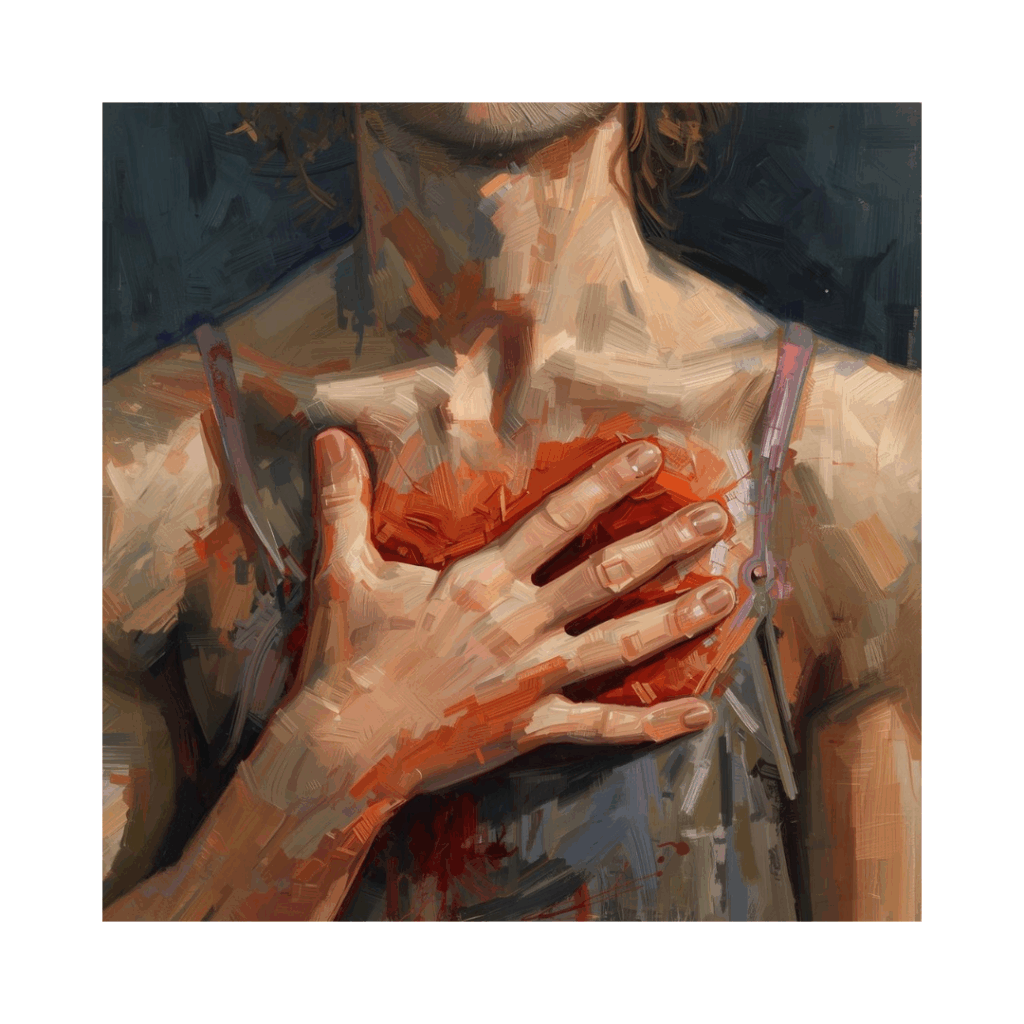
From a psychodynamic view, anxiety is not only a symptom but a signal. It points to something stirring within, a tension between what is known and what has been pushed aside. Feelings that were once too powerful or too painful to bear do not vanish; they wait. They linger below awareness, pressing to be seen. When they draw close to the surface, the mind tightens. It is as if something inside is trying to speak, but the words have not yet formed.
Anxiety protects even as it unsettles. It stands watch at the threshold of feeling, guarding against what might break through if that watch were lifted. It is the psyche’s way of holding balance when the inner world feels too full. But what begins as protection can become confinement. The energy that longs to move outward becomes trapped, looping endlessly, leaving the person alert, tense, and tired.
In therapy, anxiety is not treated as a fault to be fixed but as a voice to be heard. Every symptom—the tightness in the chest, the racing thought, the sleepless night—has meaning. These are messages from the parts of the self that have waited too long in silence. As room is made for them, the anxiety begins to loosen. The energy once bound in vigilance starts to find direction, and through that movement comes relief.
The task is not to erase anxiety but to understand its purpose. When what was hidden can be faced, the body no longer needs to call out in alarm. The self begins to breathe again—not because all fear has vanished, but because it has found a way to live alongside it.